Newsletter Subscribe
Enter your email address below and subscribe to our newsletter

Enter your email address below and subscribe to our newsletter
All voices matter
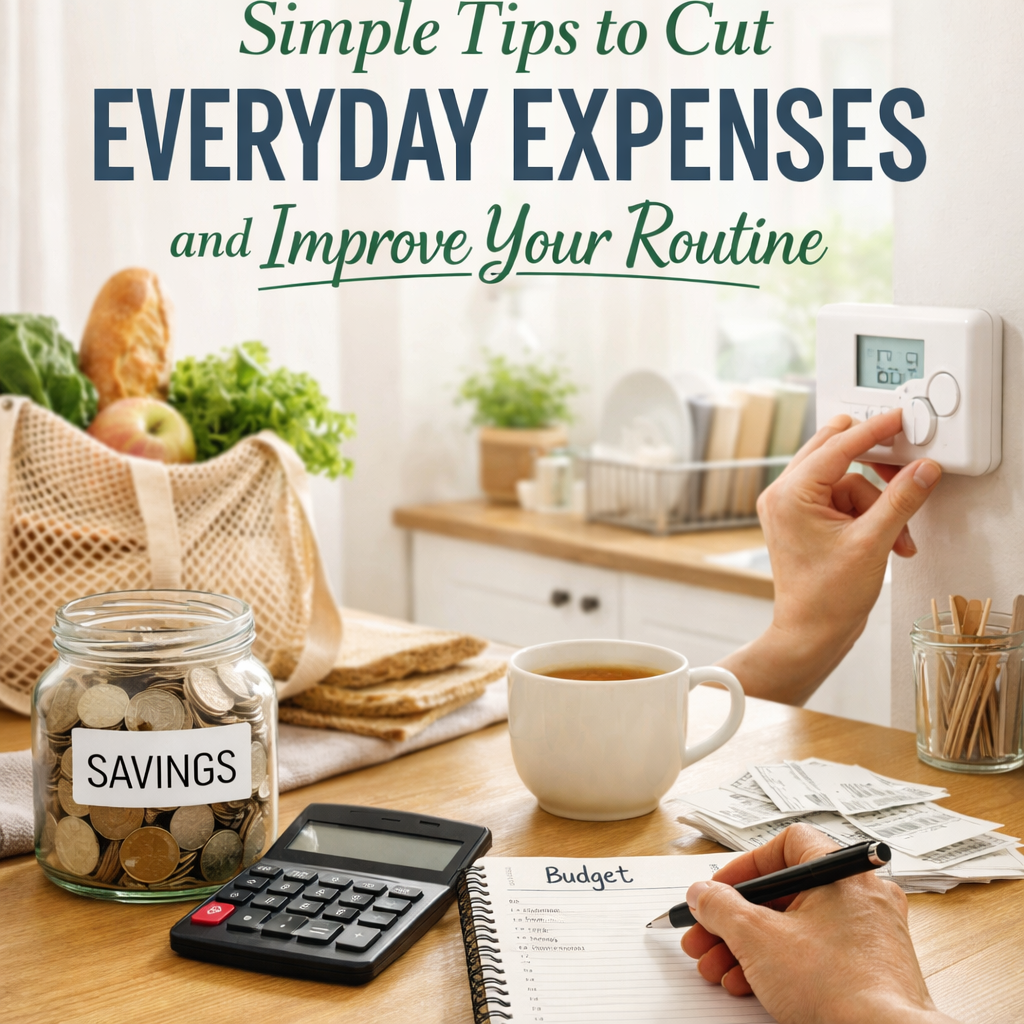
Saving money does not always require a major lifestyle change. In many homes, small daily habits quietly drain the budget and make routines feel more stressful than they need to be. A few practical adjustments can help you spend less, waste less, and move through the day with more ease. From grocery shopping and energy use to meal planning and home organization, simple choices often have the biggest long-term impact. The good news is that these changes are easy to start, and they can make everyday life feel more manageable at the same time.
Big expenses get most of the attention, but small repeated purchases often do more damage over time. A coffee on the way to work, last-minute takeout, delivery fees, and forgotten subscriptions can quietly add up. Before trying to cut everything at once, spend a week or two noticing where your money goes each day.
One simple method is to check your bank app every evening and write down any non-essential spending. You may notice patterns quickly. For example, if you buy drinks and snacks several times a week, it may be more affordable to keep a small snack box at home or in your bag. If you pay for streaming services you rarely use, cancel one or two and rotate them when needed. This kind of review helps you make realistic changes instead of guessing where to save.
It also helps to create a short list of “default” low-cost choices. That might mean bringing water from home, packing lunch twice a week, or setting one no-spend day into your routine. These habits are simple, but they reduce impulse spending and make your week feel more intentional.
Groceries are one of the easiest places to overspend, especially when shopping without a plan. A little preparation can help you buy what you actually need and use more of what you already have. Start with a quick fridge, freezer, and pantry check before making your shopping list. This prevents duplicate purchases and helps you build meals around ingredients that need to be used soon.
Keep your list focused on flexible basics that can stretch across several meals. Items like rice, pasta, beans, eggs, oats, frozen vegetables, potatoes, and yogurt can support many simple dishes without costing too much. For example, a roast chicken can become dinner one night, lunch wraps the next day, and soup later in the week. A pot of rice can be used for stir-fry, grain bowls, or an easy side dish.
Another useful habit is to shop with a rough meal plan instead of a long list of random ideas. You do not need a perfect weekly menu. Even choosing three or four dinners in advance can reduce waste and stop expensive last-minute food decisions. If evenings are busy, keep one or two low-effort meals on hand, such as pasta with vegetables, omelets with toast, or bean tacos. Convenience matters, but it does not always have to cost more.
Home running costs can creep up when routines are automatic. Small changes in how you use heating, lighting, water, and appliances can lower bills without making your home less comfortable. Start with the easiest wins. Turn off lights in empty rooms, unplug chargers and devices you are not using, and run laundry or dishwashers only when full.
In the kitchen, batch cooking can save both time and energy. Using the oven once for several items is usually more efficient than cooking separate meals every day. You can roast vegetables, bake potatoes, and cook a protein at the same time, then use them in different meals. It is also worth letting leftovers cool before storing them properly so they get eaten instead of forgotten.
Water use is another area where a few changes help. Shorter showers, fixing drips, and washing clothes in cooler water can all reduce waste. If your home tends to feel cluttered, simple organization can also save money. When household items have a clear place, you are less likely to rebuy things you already own, from batteries and cleaning supplies to lunch containers and toiletries.
Many unnecessary expenses happen when we are tired, rushed, or disorganized. A better routine can save money by making the easiest option the one you already prepared. This does not need to be complicated. A few small systems at home can make daily life smoother and reduce stress spending.
For example, a 10-minute evening reset can make the next day cheaper and easier. Clear the kitchen counter, pack lunches, refill water bottles, check the next day’s schedule, and set out anything you need in the morning. When these tasks are done ahead of time, you are less likely to grab breakfast out, pay for convenience, or forget something important and make an unnecessary extra trip.
It also helps to keep a few “backup” items ready for busy days. Store simple freezer meals, easy breakfast ingredients, and basic cleaning supplies where they are easy to reach. Keep a spare umbrella, tote bag, and phone charger in the places you use most. These small steps reduce the chance of buying duplicates or spending money just because life feels chaotic.
Saving money works best when it supports a better lifestyle rather than feeling like constant restriction. Many healthy routines are inexpensive and improve daily life at the same time. Walking, stretching at home, drinking more water, sleeping on a regular schedule, and preparing simple meals can all help you feel better without adding pressure to your budget.
Instead of treating fun and self-care as things that always cost money, look for low-cost versions that fit naturally into your week. You might borrow books from the library, invite a friend over for tea instead of meeting out, grow a few herbs on a windowsill, or spend part of the weekend doing a home reset that makes the week ahead easier. Even small pleasures, like a homemade dessert or a tidy living room at the end of the day, can make home life feel more rewarding.
When your routine includes affordable habits you genuinely enjoy, it becomes easier to stick to your savings goals. You are not only cutting costs. You are building a home life that feels calmer, healthier, and more sustainable.
You do not need to overhaul everything at once. In fact, the most effective approach is often to pick two or three habits that solve the biggest problems in your day. If food waste is an issue, focus on meal planning and using leftovers. If convenience spending is the problem, prepare snacks, lunches, and essentials in advance. If bills feel too high, look at your home energy and water habits first.
Check in with yourself at the end of each month. Ask which changes saved money, which routines felt realistic, and which ones made everyday life easier. Then keep what works and let go of what does not. A simple system you can follow consistently will always be more useful than a perfect plan you abandon after a week.
Cutting everyday expenses does not have to feel restrictive or complicated. With a few thoughtful changes, you can spend less, waste less, and create routines that support a calmer home life. Start small, stay consistent, and let practical habits do the heavy lifting over time.