Newsletter Subscribe
Enter your email address below and subscribe to our newsletter

Enter your email address below and subscribe to our newsletter
All voices matter
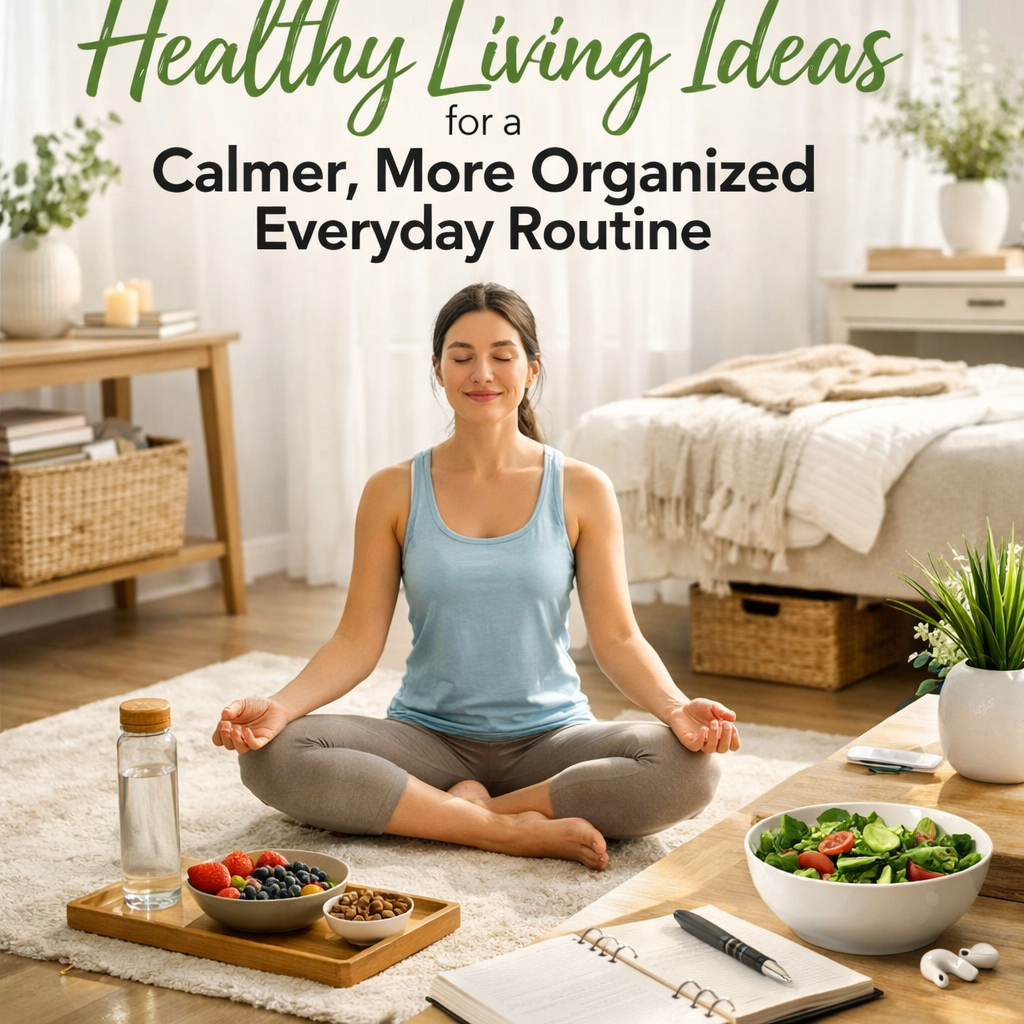
Healthy living does not have to mean a perfect meal plan, an expensive fitness routine, or a complete life overhaul. For most people, it looks much simpler: a home that feels easier to manage, habits that reduce stress, and routines that make daily life run more smoothly. When your environment supports your well-being, healthy choices become more natural. A calmer, more organized everyday routine can help you feel more in control, save time, and create more space for rest, focus, and enjoyment. The good news is that small changes at home often make the biggest difference.
The way you begin your morning often shapes the rest of the day. A rushed, cluttered start can leave you feeling behind before breakfast. A simple morning reset helps create a calmer tone and makes healthy decisions easier.
Start with a few habits you can realistically keep. Open the curtains, make the bed, and drink a glass of water before checking your phone. These actions take only a few minutes, but they help wake up your body and reduce visual clutter right away. If your kitchen tends to get messy overnight, spend five minutes unloading the dishwasher or wiping the counters before breakfast. Walking into a tidy space can make the whole home feel more manageable.
It also helps to prepare for the morning the night before. Set out clothes, pack lunches, or place your keys and bag in the same spot each evening. This reduces decision fatigue and saves time when you are trying to get out the door. Healthy living is often less about doing more and more about removing avoidable stress.
Your surroundings influence your daily choices more than you may realize. If healthy options are easy to reach and your spaces are set up with purpose, routines tend to stick.
In the kitchen, keep a bowl of fruit on the counter, store chopped vegetables at eye level in the fridge, and place less-useful snack foods out of immediate view. You do not need a pantry makeover to eat better. Even small changes in how food is stored can encourage smarter choices.
In living areas, aim to reduce clutter that creates background stress. A basket for blankets, a tray for remotes, and a small bin for daily paper clutter can instantly make a room feel calmer. In the bedroom, focus on comfort and rest. Clear off bedside surfaces, keep laundry contained, and choose soft lighting in the evening. A peaceful bedroom can support better sleep, which affects mood, focus, and energy throughout the day.
Think about what you want each room to help you do. If you want to stretch more often, leave a yoga mat in an easy-to-reach spot. If you want to read before bed instead of scrolling, place a book on your nightstand and charge your phone across the room.
Being organized does not mean having a perfectly labeled house. It means creating systems that make everyday tasks easier. The best organization methods are the ones you can maintain without much effort.
Start with high-traffic areas. An entryway drop zone can prevent shoes, bags, mail, and keys from piling up all over the house. Use hooks, a small bench, or a basket to keep essentials contained. In the bathroom, group similar items together so mornings move faster. For example, keep everyday skincare in one tray and extra supplies in a separate bin.
In the kitchen, assign simple zones for breakfast items, lunch-packing supplies, and frequently used cookware. This cuts down on searching and helps everyone in the household know where things belong. You can also save money by organizing what you already have. When dry goods, leftovers, and freezer items are visible, they are less likely to be forgotten and wasted.
One helpful habit is the daily 10-minute tidy. Set a timer and focus on putting things back in place rather than deep cleaning. You can clear the dining table, sort mail, fold a blanket, and wipe one surface in less time than you think. This small routine prevents mess from building into something overwhelming.
Healthy living does not need to be expensive. Many of the most effective wellness habits cost little or nothing, and they fit into ordinary life.
Walking is a good example. A short walk after dinner can help you unwind, get fresh air, and create a natural transition into the evening. Gentle stretching in the morning or before bed can also improve how your body feels without requiring special equipment. If you work from home or spend long periods sitting, set reminders to stand up, refill your water, or move around every hour.
Meal planning is another practical wellness tool. It does not have to mean preparing an entire week of identical lunches. Try writing down three easy dinners for the week, such as soup, baked potatoes with toppings, or a rice bowl using leftover vegetables. Keeping simple ingredients on hand helps reduce takeout spending and makes busy days less stressful.
Rest is just as important as activity. Create a basic evening routine that signals it is time to slow down. You might dim the lights, wash up, tidy the kitchen, and spend 15 minutes reading or doing a quiet hobby. These habits support a calmer mind and make sleep feel more intentional.
A healthier routine is not only about what you add. It is also about what you reduce. Many people feel disorganized because too much is competing for their attention all day long.
Try setting a few gentle boundaries around your time. Limit multitasking during meals, keep certain parts of the day screen-free, or choose one time to handle household paperwork instead of letting it interrupt you whenever it appears. If your evenings often feel chaotic, create a short shutdown routine. Put away dishes, check the calendar for tomorrow, and reset one room before you relax.
It is also helpful to choose a few priorities instead of trying to improve everything at once. For example, you might focus on drinking more water, keeping the kitchen counters clear, and going to bed 30 minutes earlier. These are manageable goals that can have a noticeable effect on daily comfort and stress levels.
Healthy routines should support real life, not make it harder. If a habit feels too complicated, simplify it until it fits your schedule and energy level.
One of the biggest barriers to healthy living is the idea that you need to do everything perfectly to make progress. In reality, consistency matters much more than intensity. A few basic habits repeated regularly can change how your home feels and how your days unfold.
Choose routines that are small enough to repeat even on busy days. That might mean washing produce after shopping, doing a five-minute reset before bed, taking a walk around the block, or preparing tomorrow’s breakfast at night. These actions may seem minor, but they build a home life that feels steadier and less reactive.
It also helps to notice what is already working. If your family naturally gathers in the kitchen, keep healthy snacks and water nearby. If you enjoy quiet mornings, protect that time with a simple routine you look forward to. Building on current habits is often easier than trying to force entirely new ones.
Healthy living becomes more realistic when it fits into the way you actually live. By simplifying your spaces, creating practical routines, and focusing on small habits that lower stress, you can build a calmer and more organized everyday life. Start with one or two changes, keep them manageable, and let progress grow from there.