Newsletter Subscribe
Enter your email address below and subscribe to our newsletter

Enter your email address below and subscribe to our newsletter
All voices matter
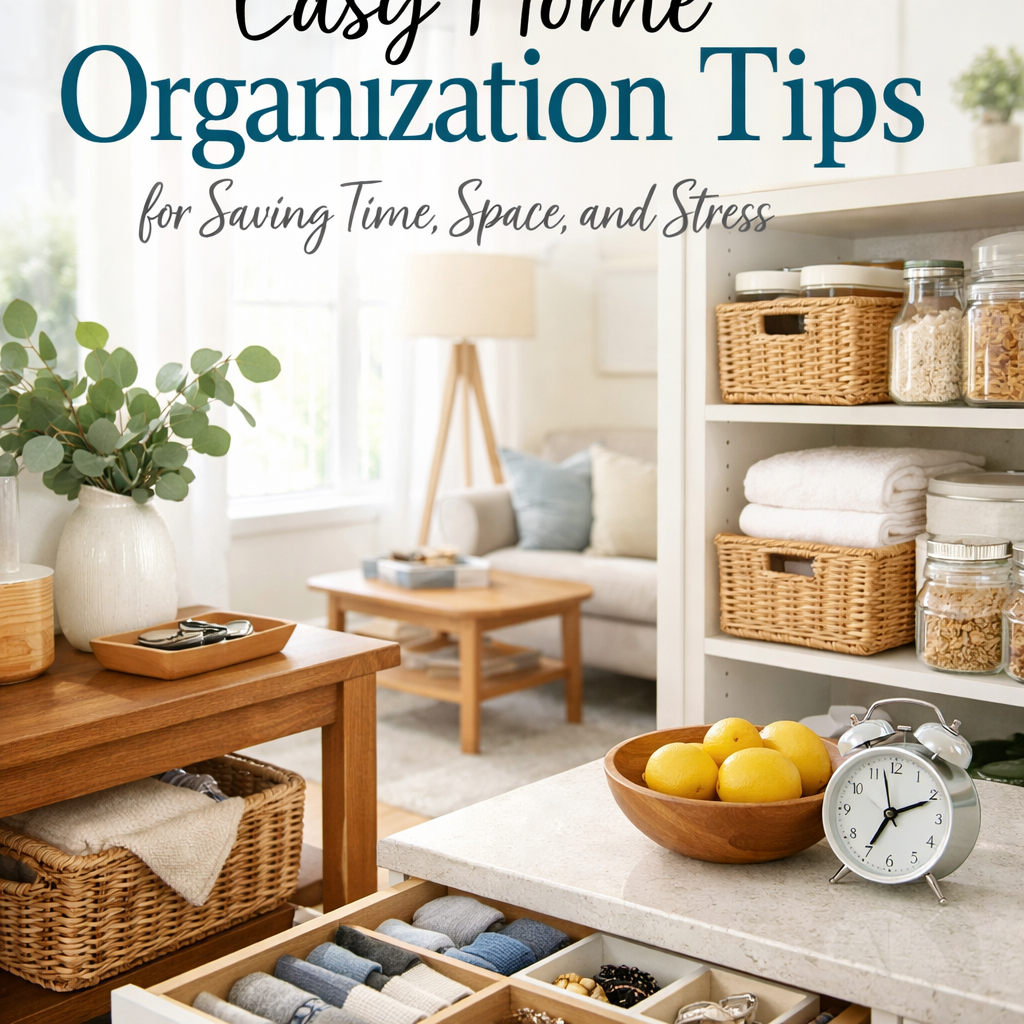
A well-organized home does not need to look perfect or expensive to make a real difference in daily life. In most households, the biggest problem is not a lack of effort, but a lack of simple systems that are easy to maintain. When everyday items have a clear place and routines are easier to follow, mornings feel calmer, cleaning takes less time, and it becomes easier to avoid wasteful repeat purchases. The good news is that home organization does not have to mean a full weekend makeover. A few practical changes can help you save time, free up space, and reduce the low-level stress that builds up when clutter starts to take over.
If organizing your whole home feels overwhelming, begin with the spaces that affect your routine the most. Focus on high-traffic areas such as the kitchen counter, entryway, bathroom sink, or the chair that always collects clothes. These spots tend to create the most frustration because they are used often and become messy quickly.
Choose one small area and clear it completely. Then decide what truly needs to stay there. For example, an entryway might only need a tray for keys, a hook for bags, and a basket for shoes. A bathroom counter may work better with just hand soap, a toothbrush holder, and one small container for daily skincare. When the surface is less crowded, it is easier to clean and easier to keep tidy.
This approach also helps you see quick results. Organizing one drawer or one shelf may seem small, but it creates momentum and gives you a system you can repeat in other parts of the home.
One of the most effective organization habits is making sure every item has a place that makes sense. If something is always left out, it may not be because you are lazy. It may be because its storage spot is inconvenient, too full, or too far from where you actually use it.
Store items near the place where they are needed. Keep food storage containers close to the area where leftovers are packed. Place cleaning wipes in the bathroom instead of under the kitchen sink if that is where you use them most. Keep scissors, tape, and pens together in one easy-to-reach drawer rather than scattered through different rooms.
Clear bins, shallow baskets, and drawer dividers can make this much easier. You do not need matching containers for every room. Reusing sturdy boxes, jars, or small trays you already own can work just as well. The goal is not to create a showroom look. The goal is to make it obvious where things belong so putting them away takes less effort.
Home organization works best when it supports your routine instead of depending on motivation. A short daily reset can stop clutter from building up and save you from doing a much bigger cleanup later.
Try setting aside ten minutes in the morning or evening for a simple reset. Put dishes away, return misplaced items to their spots, sort the mail, and wipe the main surfaces you use. In a living room, this might mean folding blankets, stacking books, and clearing the coffee table. In the kitchen, it might mean unloading the dishwasher and checking the fridge before adding new groceries.
It also helps to tie small tasks to habits you already have. For example, hang your coat and bag as soon as you walk in the door, sort school papers before dinner, or do a quick laundry check before your evening shower. These tiny actions are easier to maintain than long cleaning sessions and often reduce stress more than people expect.
When storage feels tight, look beyond shelves and closets that are already full. Many homes have unused space that can work harder with a few simple adjustments. Vertical and hidden storage can help you create room without making the home feel crowded.
Use the backs of doors for hooks or hanging organizers in bedrooms, bathrooms, and utility spaces. Add a narrow shelf above a desk, washing machine, or toilet for items that do not need to be accessed constantly. Under-bed storage can hold off-season clothes, extra bedding, or gift wrap. In the kitchen, shelf risers can double cabinet space for plates, mugs, or pantry goods.
The key is to store by frequency of use. Everyday essentials should stay easy to reach, while occasional items can go higher up or into less convenient spaces. This prevents the common mistake of filling prime storage spots with things you only use a few times a year.
Good organization is not only about appearance. It can also reduce waste and help you spend less. When you know what you have, you are less likely to buy duplicates, forget about food before it expires, or lose useful items in the back of a drawer.
Start with the pantry, fridge, and household supplies. Group similar items together so you can see what is available. Keep baking items in one zone, snacks in another, and canned goods on one shelf. In the bathroom or cleaning cupboard, store backup products in one bin instead of keeping extras in several places. This makes it easier to notice when you are actually running low.
A simple labeling system can help the whole household keep things in order. Labels do not need to be fancy. Even a handwritten note on a bin can save time and reduce confusion. You can also keep a small shopping list on the fridge and add items only after checking what is already at home.
The best organization system is one that fits real life. If it is too complicated, it will not last. Create routines that are easy for everyone in the home to understand and repeat. This is especially important in shared spaces such as the kitchen, hallway, and living room.
Use simple rules that make decisions easier. Shoes go in one basket by the door. Mail gets sorted the day it arrives. Clean laundry is put away before bedtime. Toys stay in low bins that children can use without help. When systems are easy, people are more likely to follow them.
It is also worth reviewing what is not working. If a drawer is always jammed or a basket always overflows, the solution may be to remove items, change the container, or move the storage closer to where things are used. Organization should support the way your home actually functions, not add another layer of pressure.
Home organization becomes much more manageable when you focus on simple systems instead of perfection. By organizing the areas you use most, giving everyday items a logical place, using quick daily resets, and making smarter use of space, you can create a home that feels calmer and works better. Small changes really do add up, and the best ones are the changes you can maintain with ease.