Newsletter Subscribe
Enter your email address below and subscribe to our newsletter

Enter your email address below and subscribe to our newsletter
All voices matter
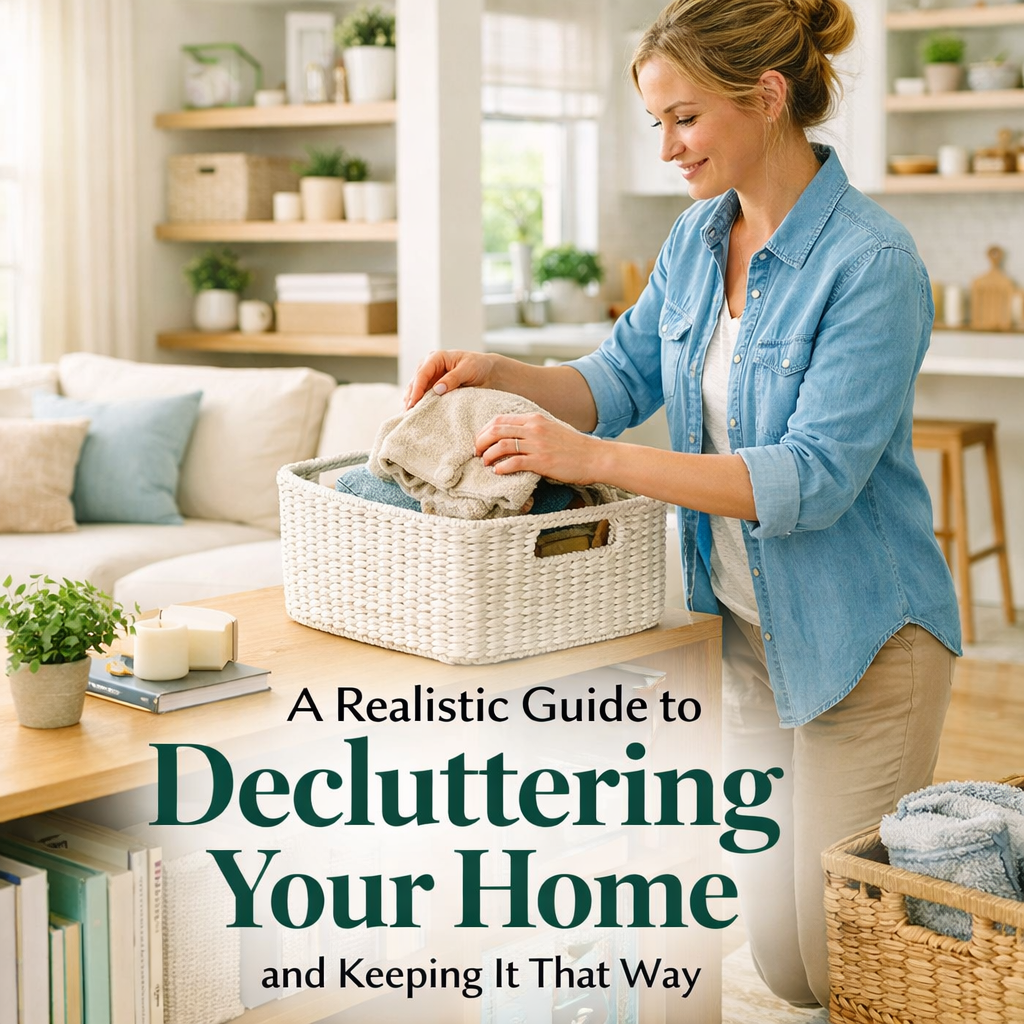
Decluttering sounds simple until real life gets involved. Most homes do not become messy overnight, and they do not stay organized because of one big weekend cleanout. They stay manageable because of small habits, realistic systems, and a clear idea of what actually belongs in the space. If you have ever cleaned a room only to watch it fill up again within days, you are not failing. You probably just need a better approach. The good news is that decluttering does not have to be extreme, expensive, or stressful. With a few practical steps, you can clear your home in a way that feels doable and create routines that help it stay that way.
One of the biggest mistakes people make is trying to declutter the whole house at once. That usually leads to half-finished piles, decision fatigue, and a bigger mess than when you started. A more realistic method is to choose one small area and complete it before moving on.
Start with a bathroom drawer, the kitchen junk drawer, a nightstand, or one shelf in the closet. Set a timer for 15 or 20 minutes if that helps you stay focused. Pull everything out, throw away obvious trash, and group similar items together. Once you can see what you have, it becomes much easier to decide what should stay.
For example, if you are working on a kitchen drawer, you might find pens, batteries, takeout menus, rubber bands, and random receipts all mixed together. Keep only the items you actually use, move misplaced things to the right room, and give the drawer a simple purpose. A small win like that builds momentum and makes the next area feel less overwhelming.
A lot of clutter stays in the home because it is hard to decide what to do with it. Instead of overthinking every item, use a few practical questions. Do I use this? Do I have duplicates? Would I buy this again today? Does this item make daily life easier, or is it just taking up space?
These questions work especially well for clothing, kitchen tools, beauty products, and household extras. If you own five spatulas but always reach for the same two, you probably do not need all five. If a shirt does not fit, feels uncomfortable, or has not been worn in over a year, it may be time to let it go.
Try creating a few clear categories while you work: keep, donate, toss, and relocate. This keeps the process moving. If you get stuck on sentimental items, put them aside and come back later. It is often easier to make emotional decisions after you have already made progress in less personal areas.
Decluttering is only half the job. If the things you keep do not have a clear place to live, clutter will return quickly. The goal is not to create a picture-perfect home. It is to make putting things away easy enough that you will actually do it.
Store items where you use them. Keep everyday dishes near the dishwasher, cleaning sprays close to the areas you clean most often, and shoes near the door you use every day. In bedrooms, use a basket for accessories, a tray for daily jewelry, or a small bin for chargers and cords. In the entryway, a hook for keys and a basket for mail can stop clutter before it spreads across the house.
You do not need fancy containers to get organized. Reused boxes, simple bins, drawer dividers, or labeled baskets can work well. The important part is that each item has a practical home. When things are easy to find and easy to put away, your home naturally stays calmer.
Even a well-decluttered home can become chaotic without regular maintenance. The easiest way to stay on top of clutter is to handle it in small, consistent ways instead of waiting for a major reset.
At the end of each day, spend 10 minutes putting things back where they belong. This can include clearing the kitchen counter, folding blankets, sorting the mail, and returning shoes, bags, or laundry to their spots. A quick evening reset makes the next morning feel lighter and keeps mess from building into something more stressful.
Weekly routines help too. Choose one day to deal with paper clutter, empty the fridge, and check high-traffic areas like the entryway and living room. If kids are involved, make cleanup part of the routine instead of a special event. A child can return toys to one bin before bedtime, while older family members can take care of their own backpacks, jackets, or personal items.
These habits may seem small, but they save time, reduce frustration, and make your home feel easier to manage every day.
One of the best ways to keep your home decluttered is to slow down incoming stuff. It is much easier to prevent clutter than to deal with it later. This does not mean you can never buy anything new. It means being more intentional.
Before buying an item, ask where it will be stored and whether you already own something that does the same job. This is especially helpful for home decor, kitchen gadgets, storage containers, sale items, and children’s toys. A bargain is not really a bargain if it creates stress, takes up valuable space, or goes unused.
You can also create simple household rules. For example, when a new shirt comes in, one old shirt goes out. If a new mug enters the kitchen, donate one you rarely use. When holiday gifts or birthday items arrive, do a quick reset soon after. This keeps your space from slowly filling back up and helps you stay mindful about what you keep.
The best organizing system is the one you can maintain during busy weeks, not just on your most motivated day. That means your home should support your real habits, schedules, and energy levels. If laundry always piles up in one corner, put a hamper there. If papers collect on the counter, create a small sorting station nearby. If you are always searching for reusable bags, store them in the car or by the door.
It also helps to let go of perfection. A tidy home does not mean every surface is empty all the time. It means your space functions well, feels less stressful, and is easier to reset. Some seasons of life are busier than others, and your systems may need to change. That is normal.
Think of decluttering as an ongoing skill rather than a one-time project. The more often you edit your belongings and adjust your routines, the easier it becomes to keep your home under control without needing constant big cleanouts.
Decluttering your home in a lasting way comes down to realistic choices, simple systems, and steady habits. Start small, make decisions with purpose, give your belongings proper homes, and stay mindful about what enters your space. You do not need a perfect house to enjoy a calmer one. A few practical changes can make everyday life feel lighter, cleaner, and much easier to manage.