Newsletter Subscribe
Enter your email address below and subscribe to our newsletter

Enter your email address below and subscribe to our newsletter
All voices matter

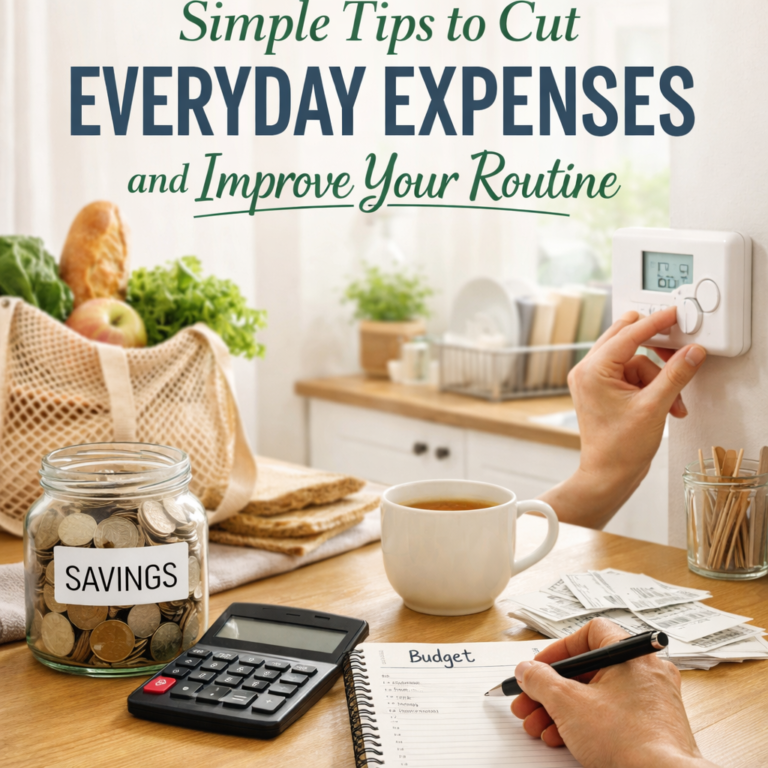
Smarter spending at home is not about cutting every comfort or turning daily life into a strict budget exercise. It is about making better choices with the money you already spend, so your home runs more smoothly without constant waste. Small habits often matter more than dramatic changes. A few practical routines can help lower grocery bills, reduce energy use, prevent duplicate purchases, and make everyday life feel less stressful. If you want your home to be more organized, more efficient, and easier on your wallet, the best place to start is with simple decisions you can repeat week after week.
Many people try to save money by guessing where the problem is. In real life, that often leads to cutting the wrong things while the biggest leaks continue. A smarter approach is to look at your regular home spending clearly before making changes.
Start with one month of basic tracking. Review grocery receipts, utility bills, cleaning supplies, takeout orders, subscriptions, and household purchases. You do not need a complicated spreadsheet if that feels overwhelming. A notebook or a simple notes app can work just as well. The goal is to notice patterns.
For example, you may think your grocery budget is the issue, but the real problem might be frequent convenience spending such as coffee runs, delivery fees, or last-minute online purchases. You may also notice that you buy the same household items before checking what you already have at home.
Once you can see your habits, it becomes easier to make realistic changes. Instead of saying, “I need to spend less,” you can say, “I need a better plan for weekdays when I am too tired to cook,” or “I need to stop buying storage products when what I really need is to declutter first.” That shift makes your efforts more effective.
Food is one of the biggest areas where home spending can quietly get out of control. The good news is that it is also one of the easiest areas to improve with better routines. Smarter grocery spending does not mean buying the cheapest version of everything. It means buying what you will actually use.
One of the most helpful habits is planning a few flexible meals before shopping. Choose meals that share ingredients, so nothing gets forgotten in the fridge. If you buy spinach, for example, plan to use it in a pasta dish, omelets, and sandwiches rather than for one recipe only. If you roast chicken, use leftovers for wraps, soup, or rice bowls.
It also helps to keep a short list of low-effort backup meals made from pantry and freezer staples. This can prevent expensive takeout on busy evenings. A simple pasta, bean chili, vegetable fried rice, or soup from frozen ingredients can save money and reduce stress.
Before shopping, check your fridge, freezer, and cupboards. This sounds obvious, but it prevents buying a third bottle of soy sauce or another bag of rice you do not need yet. Shopping with a plan, using what you already have, and preparing for tired days can make a noticeable difference over time.
Saving money on household bills does not have to mean sitting in the dark or avoiding the heating. In many homes, waste comes from small habits rather than necessary use. A few adjustments can lower costs while keeping your space comfortable and functional.
Start with the basics: turn off lights in empty rooms, unplug chargers and small appliances you are not using, and run full loads in the washing machine and dishwasher whenever possible. Wash clothes in cooler water when suitable, and air-dry items when it makes sense.
Heating and cooling costs can also rise when a home is working harder than it should. Close curtains during very hot afternoons, use draft stoppers in colder months, and keep vents clear of furniture. Even simple maintenance matters. Replacing filters, checking seals around windows, and cleaning appliances can help them run more efficiently.
If your electricity bill tends to surprise you, choose one week to pay close attention to your routines. Notice whether the dryer runs for very small loads, whether lights stay on in several rooms, or whether the kettle is boiled repeatedly throughout the day. These are not dramatic mistakes, but repeated often enough, they add up.
Disorganization often costs more than people realize. When cupboards are cluttered, closets are overfilled, or storage is hard to use, it becomes easy to lose track of what you own. That leads to duplicate purchases, forgotten food, wasted cleaning products, and buying “solutions” you did not really need.
A smarter spending habit is to make your home easier to see and manage. Group similar items together. Keep batteries, light bulbs, tape, and tools in one place. Store cleaning products where they are actually used. Give pantry items clear zones so you can quickly tell what needs replacing and what is already stocked.
This is also helpful for seasonal spending. Before buying holiday decor, school supplies, or new organizers, check what is already tucked away in drawers, shelves, or storage bins. Very often, people already have enough but cannot find it easily.
Use a simple rule before bringing in something new: know where it will go, how often it will be used, and whether you already own something similar. This pause can save money and keep clutter from growing. In many homes, organization is not just about neatness. It is a direct money-saving tool.
Many money problems at home do not come from major emergencies. They come from tired, rushed moments. When life feels disorganized, it is easier to rely on expensive shortcuts such as food delivery, replacing lost items, buying convenience products, or paying for services you could avoid with a little preparation.
That is why simple routines matter. A ten-minute evening reset can help you prepare lunch, check the next day’s schedule, and tidy key areas like the kitchen counter or entryway. This can reduce morning stress and make it less tempting to spend money just to feel caught up.
A weekly home routine is also useful. Pick one day to review groceries, laundry, bills, and household supplies. If you notice early that you are low on toilet paper, pet food, or breakfast basics, you can add them to your next regular shop instead of making an expensive last-minute trip.
Even wellness habits can support smarter spending. Getting enough sleep, keeping easy meals available, and planning small breaks at home can help reduce emotional or convenience spending. When you feel better, it is easier to make calm decisions instead of reactive ones.
One of the biggest mistakes in home budgeting is trying to change everything at once. That usually leads to burnout, frustration, and eventually giving up. Smarter spending works better when you make a few useful changes and repeat them until they feel natural.
Choose one area to improve first. That might be meal planning, reducing energy waste, canceling unused subscriptions, or organizing your pantry. Test a small change for a few weeks and see what actually helps. If a system is too complicated to keep up with, simplify it.
For example, you do not need a full budget overhaul to make progress. You may simply need a better shopping list, a fixed takeout night instead of random ordering, or a household shelf for commonly used supplies. Practical solutions are usually the ones that last.
The goal is not to run your home perfectly. It is to spend with more awareness, waste less, and make daily life easier. When your routines support your real life, saving money becomes more manageable and much less stressful.
Smarter spending at home begins with attention, not restriction. By tracking habits, planning groceries carefully, reducing utility waste, organizing what you own, and building simple routines, you can make your home more efficient without making life harder. Start small, stay consistent, and let practical habits do the work.