Newsletter Subscribe
Enter your email address below and subscribe to our newsletter

Enter your email address below and subscribe to our newsletter
All voices matter
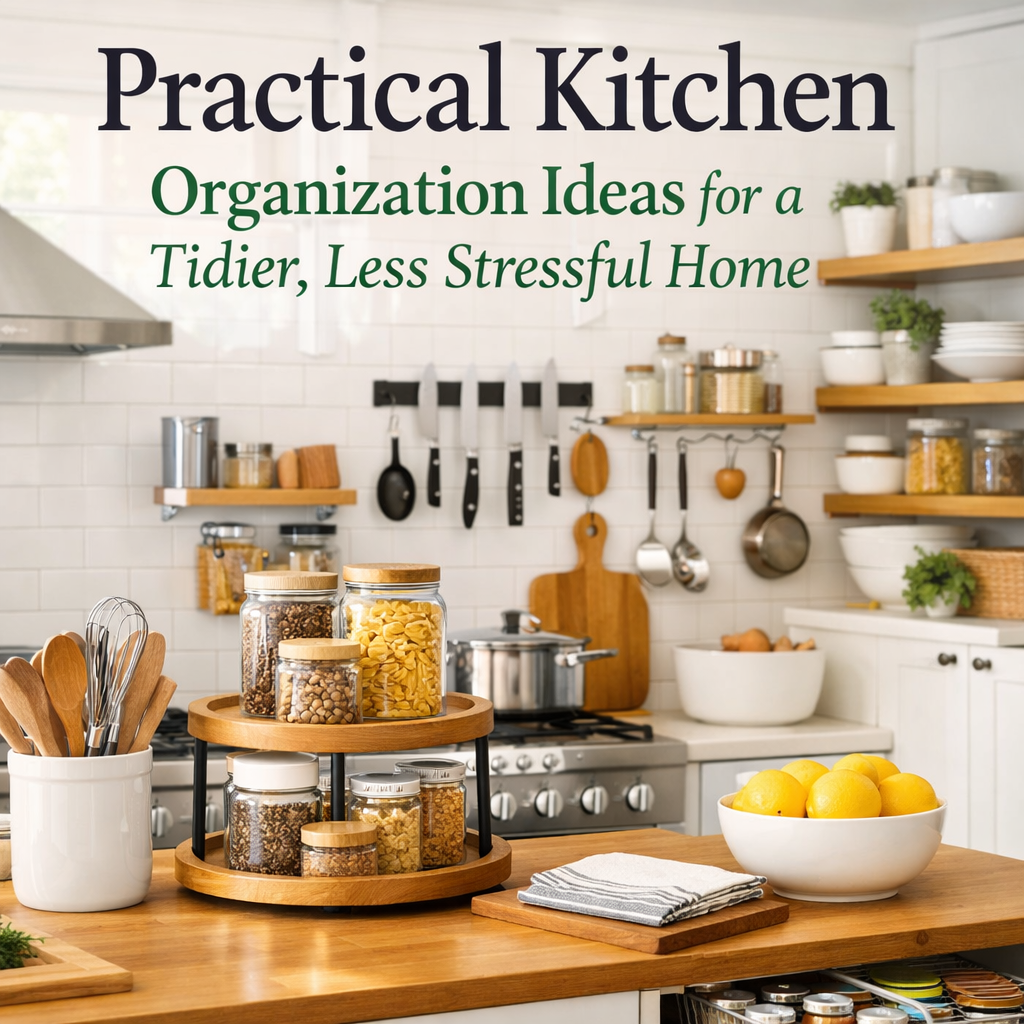
A well-organized kitchen can make everyday life feel easier. When counters are clear, tools are easy to find, and food is stored in a sensible way, cooking takes less effort and cleanup feels more manageable. A tidy kitchen also helps reduce waste, saves time during busy mornings, and makes it easier to stick to healthy routines at home. The good news is that kitchen organization does not have to mean buying expensive storage systems or starting a major makeover. Small, practical changes can make a big difference.
Before buying bins, labels, or drawer organizers, take a close look at what is already in your kitchen. Many kitchens feel crowded simply because they are holding too many duplicates, rarely used gadgets, or expired pantry items. Start with one area at a time, such as a single drawer, one cabinet, or the pantry shelf.
Set aside anything broken, expired, or no longer useful. If you have three can openers, five water bottles without lids, or a collection of takeout containers missing their matches, keep the best and let the rest go. This first step creates more space right away and helps you avoid organizing clutter that does not need to stay.
A simple rule can help: if you have not used an item in the past year and it does not serve a special seasonal purpose, consider donating or removing it. Less stuff in the kitchen usually means less to clean, less to manage, and fewer frustrating searches when you need something quickly.
One of the easiest ways to make a kitchen work better is to organize it by activity. Instead of storing items wherever they fit, group them based on how you use them each day. This makes the kitchen more intuitive and can reduce extra steps while cooking or cleaning.
For example, keep cooking utensils, oils, spices, and pans near the stove. Store plates, bowls, and everyday glasses close to the dishwasher or drying rack so unloading is faster. Place coffee, mugs, filters, and sweeteners together in one breakfast station. If you pack lunches often, designate one shelf or bin for lunch containers, snack bags, and easy grab-and-go foods.
This approach also works well for families. Children can have a low drawer or cabinet with their cups, plates, and snacks, making it easier for them to help themselves without creating disorder in the rest of the kitchen. When every area has a purpose, it becomes much easier to keep things in the right place.
Many kitchens have enough storage, but the space is not being used well. Deep cabinets, crowded drawers, and stacked items can quickly become hard to manage. A few simple adjustments can make these areas much more functional.
Drawer dividers are useful for separating utensils, measuring spoons, bag clips, and small tools. In cabinets, shelf risers can help you use vertical space, especially for mugs, plates, or canned goods. Small bins are helpful for grouping similar pantry items such as baking supplies, snacks, or packets of sauce and seasoning.
If you have a deep lower cabinet, consider using baskets or pull-out bins so items in the back are easier to reach. For food storage containers, store lids in one upright section and stack containers by size. This prevents the usual mess of mismatched plastic tumbling out every time the cabinet opens.
Try not to pack every shelf to its limit. A little empty space makes it easier to put things away neatly and spot what you already have, which can help prevent overbuying at the store.
A tidy pantry can save money and reduce food waste because you can see what you have before shopping or meal planning. Start by grouping foods into simple categories such as grains, canned goods, breakfast items, baking supplies, snacks, and dinner staples. Keep the items you use most often at eye level.
It helps to place newer items behind older ones so the older products get used first. This is especially useful for pasta, rice, cereal, canned soup, and shelf-stable milk. If your pantry tends to become messy quickly, use clear containers or labeled bins for foods that are often left half-opened, such as crackers, oats, or flour.
You do not need to transfer everything into matching containers to have an organized pantry. Even a few basic bins can make a big difference. For example, one bin for school snacks, one for baking ingredients, and one for quick dinner helpers can make meals easier to plan during busy weeks. A short pantry check once a week can also help you catch items that need to be used soon.
Clear counters make a kitchen look calmer and give you more room to prepare meals. At the same time, it is not realistic to hide every single item if you use it daily. The goal is to be selective about what earns a spot on the counter.
Keep only the essentials out, such as a toaster, coffee maker, fruit bowl, or utensil crock if those items truly get used every day. Everything else should have a home in a cabinet, drawer, or pantry. If papers, mail, or random household items often land in the kitchen, create a separate drop zone elsewhere in the home so the kitchen does not become a catch-all space.
A tray can also help group frequently used items neatly. For example, placing cooking oil, salt, and pepper on a small tray beside the stove looks tidier than letting each item stand alone. The same idea works for a coffee station or sink area with soap and sponges. Grouping items visually reduces clutter and makes wiping down counters faster.
Even the best organization system will not last without a few daily habits. The good news is that kitchen upkeep becomes easier once everything has a clear place. A short reset at the end of the day can prevent mess from building up and turning into a bigger job later.
Try a few simple routines: unload the dishwasher in the morning, wipe counters after dinner, put groceries away by category, and do a quick fridge check before making your shopping list. If family members use the kitchen often, make sure everyone knows where things belong so the system is easier to maintain.
It also helps to adjust your setup as your needs change. Maybe your baking supplies need more room during the holidays, or your children now need easier access to breakfast foods before school. Kitchen organization works best when it supports real life, not a perfect picture.
A tidier kitchen does not require a full renovation or a big budget. With fewer unnecessary items, smarter storage, and a few easy routines, you can create a space that feels calmer and works better every day. Start small, focus on function, and build a kitchen that helps your home feel less stressful and more manageable.