Newsletter Subscribe
Enter your email address below and subscribe to our newsletter

Enter your email address below and subscribe to our newsletter
All voices matter
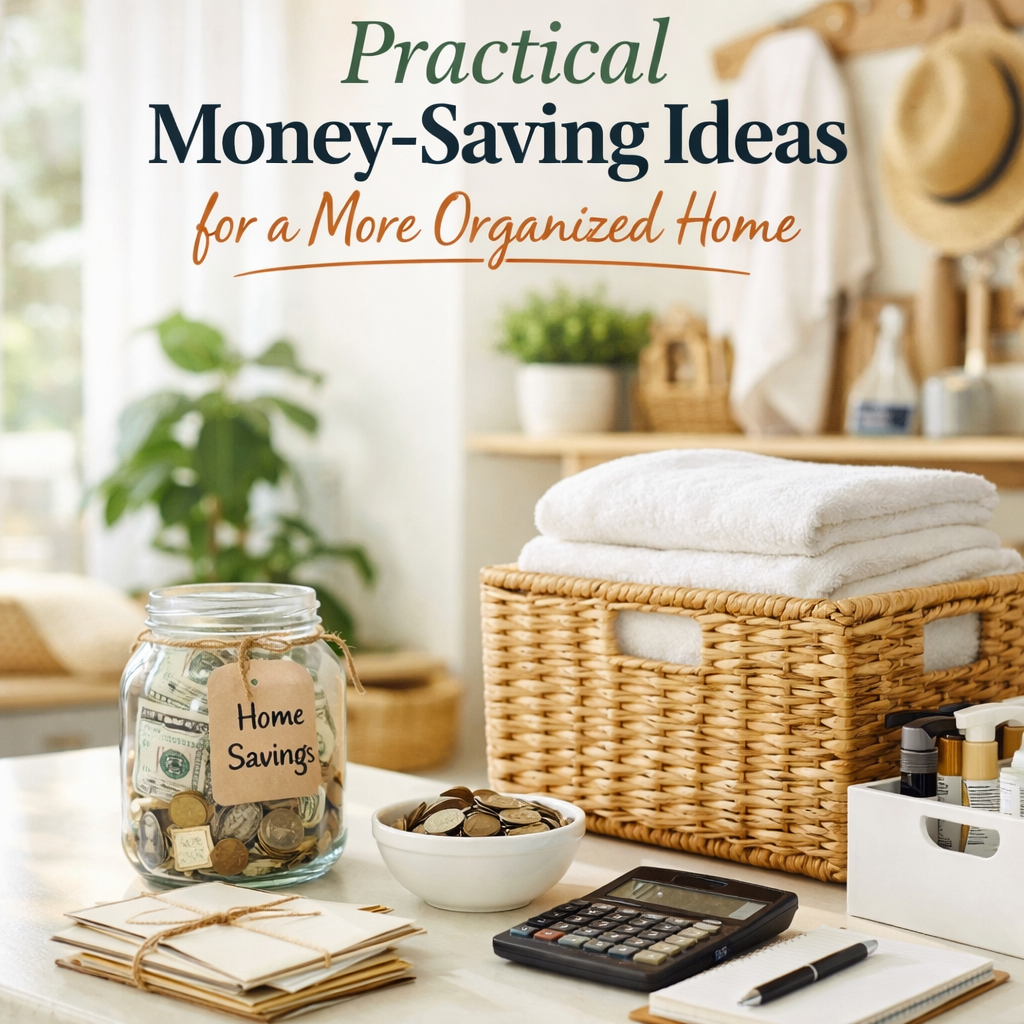
A more organized home does more than look tidy. It can also help you spend less, waste less, and feel more in control of everyday life. When things are easy to find and routines are simple to follow, it becomes much easier to avoid duplicate purchases, forgotten food, rushed takeout meals, and clutter that quietly costs money over time. The good news is that you do not need a big budget or a complete home makeover to see results. A few practical changes can make your home run more smoothly while helping you save money in ways that actually last.
One of the easiest ways to save money is to notice where your home is quietly encouraging waste. This often starts with everyday items you already own. Open a few common problem areas such as the pantry, bathroom cabinet, cleaning supply shelf, and hallway closet. Look for duplicates, expired products, half-used bottles, and items you forgot you had.
For example, many households buy extra shampoo, spices, batteries, or paper goods simply because they cannot quickly see what is already there. Grouping similar items together makes this much easier. Keep all cleaning supplies in one area, store light bulbs in one labeled bin, and place back-up toiletries in a single basket. When everything has a home, you are less likely to buy the same thing twice.
A simple notepad or phone list can also help. Before shopping, check what you have and write down only what is needed. This small habit can cut down on impulse buys and prevent the common cycle of overbuying, stuffing cabinets, and throwing things away later.
Good organization does not have to mean expensive containers or a picture-perfect pantry. The real goal is to make daily tasks easier. Choose simple, affordable storage that fits the way your household lives. Clear bins, reused jars, drawer dividers, hooks, and basic baskets often work better than complicated systems.
Think about the places where clutter builds up most often. If shoes pile near the door, add a small rack or basket. If paperwork covers the kitchen counter, create one tray for incoming mail and one folder for bills or school forms. If lunch supplies are scattered, set up a single shelf or bin for snacks, wraps, and reusable containers.
These changes save money because they reduce friction. When mornings are more organized, you are less likely to grab expensive coffee on the way out. When the kitchen is easier to use, cooking at home feels simpler. When laundry supplies are easy to reach, you are more likely to keep up with washing and care, helping clothes and linens last longer.
The kitchen is one of the best places to combine organization and saving money. Food waste, forgotten ingredients, and poor meal planning can quietly add up, but a few habits can make a big difference.
Start by giving your fridge and pantry a basic reset. Place older items at the front and newer ones behind them. Store similar foods together so you can see what needs to be used soon. A small basket for “use first” items can help prevent leftovers, produce, or dairy from being forgotten.
Meal planning does not need to be complicated. Even planning three or four dinners before shopping can keep spending under control. Choose meals that share ingredients, such as using spinach in salads, omelets, and pasta. Cook extra rice, soup, or roasted vegetables and use them again for lunches. Keeping a list of easy low-cost meals can also help on busy days. Think bean chili, baked potatoes, pasta with vegetables, homemade fried rice, or eggs on toast with fruit.
Organizing your kitchen around what you actually cook is also useful. Keep everyday tools within reach and donate gadgets you never use. A simpler kitchen is easier to clean, easier to shop for, and less likely to tempt you into buying specialty items that sit untouched in a cabinet.
Saving money at home is not only about what you buy. It is also about the habits that shape your utility bills and replacement costs. Organized routines make these habits easier to keep.
Create a few checklists for weekly or monthly home tasks. This might include changing air filters, wiping out the fridge, checking for leaking taps, cleaning appliance filters, and turning off power strips when not in use. Small maintenance jobs can help appliances run better and last longer.
Laundry is another area where a routine saves money. Washing full loads, using cold water when suitable, and air-drying some items can reduce energy use and wear on fabrics. Keep a hamper system that separates lights, darks, and towels if that helps your household stay on track. When laundry feels less overwhelming, it is easier to avoid last-minute dry cleaning or replacing clothes that were not cared for properly.
It also helps to set up a “repair before replace” basket or shelf. Keep loose buttons, furniture pads, batteries, basic tools, tape, and glue in one easy-to-find spot. Fixing a lamp, mending a seam, or tightening a chair leg is much more likely to happen when supplies are organized and ready to use.
A well-organized home can help you become more intentional about what comes into it. Without clear limits, small household purchases can add up quickly. Decor items, storage products, cleaning gadgets, seasonal goods, and convenience buys often seem harmless on their own, but together they can strain the budget and create more clutter.
Try setting simple rules for home spending. For example, wait 48 hours before buying non-essential items for the house. Measure spaces before buying storage. Make a list of what problem you are trying to solve, then shop your home first. A spare basket from the bedroom may work just as well in the bathroom. An unused tray may become a perfect drop zone for keys and mail.
Another practical habit is keeping a donation box in a closet or laundry room. When something no longer serves a purpose, place it in the box right away. This helps prevent clutter from building back up and makes you more thoughtful about future purchases. If every new item needs space, you naturally become more selective.
Focus on buying things that improve function rather than just appearance. A shelf that helps you store pantry staples clearly may save more over time than a decorative item that adds no daily value. Practical choices usually support both organization and your budget.
The most effective money-saving home ideas are the ones you can keep up with in real life. There is no benefit in creating a complicated system that falls apart after one busy week. Start with one or two simple changes and build from there.
You might begin with a weekly 15-minute reset. Put items back where they belong, check the fridge for food to use up, review the shopping list, and clear one problem spot such as the entryway or kitchen counter. These short resets prevent mess from turning into expensive chaos.
It also helps to involve everyone in the household. Label shelves, keep everyday items at easy-to-reach heights, and make routines obvious. A system works best when it is simple enough for everyone to follow. The easier your home is to maintain, the less likely you are to spend money solving the same problems again and again.
An organized home does not need to be perfect to save you money. When you reduce waste, simplify storage, plan meals, maintain what you own, and shop with more intention, your home becomes easier to manage and more affordable to run. Start small, stay practical, and let simple routines do the heavy lifting.