Newsletter Subscribe
Enter your email address below and subscribe to our newsletter

Enter your email address below and subscribe to our newsletter
All voices matter
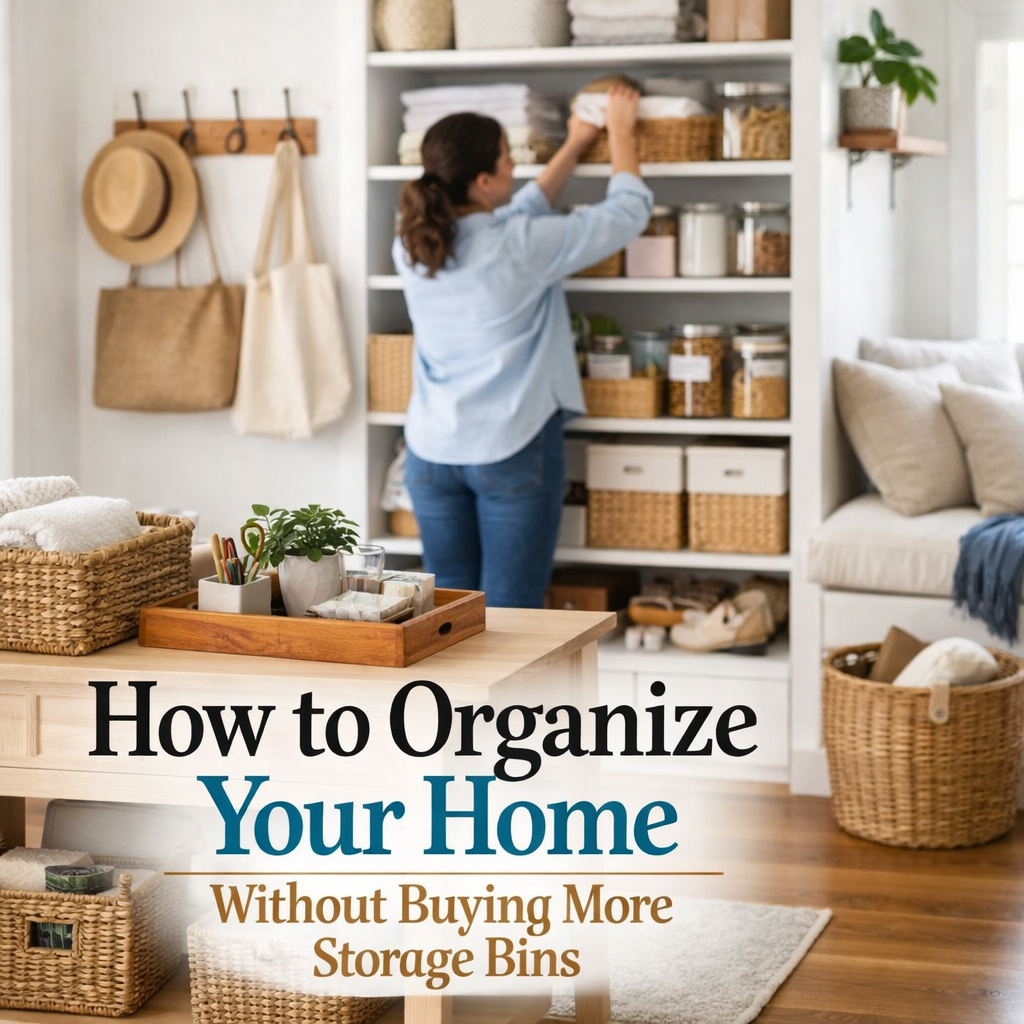
It is easy to believe that a more organized home starts with a trip to the store. Matching bins, baskets, drawer dividers, and labels can look appealing, but they do not solve the real problem if your home already feels crowded or hard to manage. In many cases, better organization comes from using your space more intentionally, reducing what is not serving you, and setting up simple systems you can actually maintain. If you want a calmer home without spending extra money, you can make a big difference by working with what you already have.
The fastest way to create more space is not to add containers. It is to remove the things taking up room without adding value to your life. Before you reorganize a closet, cabinet, or drawer, take everything out and sort it honestly. Keep what you use, need, or truly enjoy. Set aside anything broken, expired, duplicated, or forgotten.
This step matters because organizing too much stuff only makes storage harder. For example, if your kitchen has five spatulas but you only use two, those extras are stealing space from tools you reach for every day. The same goes for towels, water bottles, cleaning products, office supplies, and old clothing.
Try working in small zones so the process feels manageable. One bathroom drawer, one shelf in the pantry, or one bedside table is enough to start. A short session can still create visible progress, and that can build momentum for the rest of the house.
You probably already own plenty of items that can help contain clutter. Before buying anything new, look around for bowls, shoeboxes, trays, jars, mugs, tins, and small cardboard boxes. These can work well inside drawers, on shelves, or in cabinets to group similar items together.
For example, a shallow box can hold batteries and light bulbs in a utility drawer. A mug can keep pens, scissors, or makeup brushes upright. A tray can turn a messy bathroom counter into one neat area for daily essentials. Glass jars can store dry goods, rubber bands, clothespins, or spare change.
The goal is not to make every space look perfect. The goal is to make your home easier to use. If a repurposed container keeps items visible and contained, it is doing the job. You can always upgrade later if needed, but many households find that simple solutions work just fine.
One reason homes become disorganized is that items do not live where they are actually used. A better system is to create zones that match your daily routine. When things are stored close to where they belong, cleanup becomes faster and more natural.
In the kitchen, keep coffee supplies near the kettle or coffee maker instead of spreading them across different cabinets. In the entryway, place shoes, keys, bags, and umbrellas in one practical area. In the bathroom, store morning essentials together so getting ready takes less time. In a living room, keep remotes, chargers, and reading materials grouped in one easy-to-reach spot.
This approach also helps other people in the home follow the system. If everyone knows where mail goes, where reusable shopping bags are kept, or where cleaning cloths belong, there is less confusion and less clutter building up in random places.
Many organization systems fail because they are too complicated. If putting something away takes too many steps, people tend to leave it out. A simpler setup usually works better than a perfect-looking one.
Think about the items that are always ending up on counters, chairs, or tables. Ask yourself why. Maybe the coat closet is too full to hang jackets easily. Maybe the laundry basket is in an inconvenient spot. Maybe paperwork piles up because there is no simple place to drop it.
Make small changes that reduce effort. Leave a little open space in drawers so items can be returned quickly. Store frequently used pans where they are easiest to reach. Put a basic paper tray or folder near the door for mail and school forms. Fold less if that helps you keep up with laundry. The best organization method is the one you can stick with on busy days.
When storage feels limited, look for overlooked space before buying more products. Doors, wall hooks, the backs of cabinets, high shelves, and under-bed areas can all help you store things more efficiently using what you already own.
A few simple examples can make a difference. Hooks you already have can hold bags, robes, or cleaning tools. A sturdy bag tucked under the bed can hold off-season clothes or extra linens. The top shelf of a closet can store items you do not need often, such as travel gear or seasonal decorations. Inside cabinets, stacking dishes or grouping supplies by category can free up space without any new equipment.
It also helps to store less-used items farther away and everyday essentials within easy reach. That one change can make your home feel more functional almost immediately.
Organization is not a one-time project. It is usually the result of a few repeated habits. Once you have simplified a space, protecting it becomes much easier if you build short routines into your day.
Try a five-minute reset in the evening. Put items back where they belong, clear one surface, and prepare for the next day. Get in the habit of dealing with incoming items quickly, whether that means recycling junk mail, hanging up coats right away, or putting groceries in their proper zones as soon as you get home.
You can also use a simple rule for shopping: if you bring something new into the home, consider removing something similar. This helps prevent quiet buildup over time. For families, regular check-ins can help too. A quick weekend reset of the entryway, fridge, or living room often prevents bigger messes later.
Organizing your home does not have to cost money or depend on more bins and baskets. By decluttering first, repurposing what you already own, creating realistic zones, and building simple daily habits, you can make your home feel calmer and more manageable. Start with one small area, keep your systems easy to maintain, and let function guide your choices.